
What Are Oleochemicals?
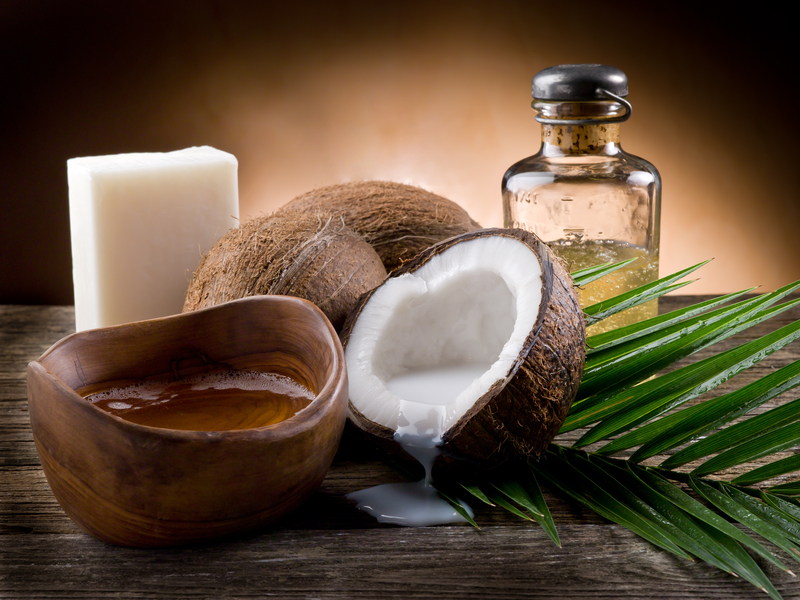
Oleochemicals are bio-based chemicals produced from natural fats and oils derived from plant and animal sources. They serve as renewable alternatives to many petroleum-derived chemicals and are widely used across industries including personal care, food, lubricants, plastics, and pharmaceuticals. Many oleochemicals are biodegradable and can offer lower VOC emissions and a reduced environmental footprint compared with conventional petrochemicals, depending on the feedstock and manufacturing process.
How Are Oleochemicals Produced?
Oleochemicals are produced by converting natural triglycerides into valuable chemical intermediates. The two most common production methods are hydrolysis and transesterification. Hydrolysis uses water under elevated temperature and pressure to split fats and oils into fatty acids and glycerol. Transesterification reacts fats or oils with an alcohol—typically methanol—in the presence of a catalyst to produce fatty acid methyl esters (FAMEs) and glycerol.
Major Oleochemical Types
Oleochemicals are generally classified into five major categories. The primary feedstocks for oleochemicals are castor, sunflower, rapeseed (canola), soybean, palm and coconut oils. Animal-derived feedstocks include refined tallow, lard and other rendered animal fats.
| Oleochemical Class | Typical Feedstock | Common Applications |
| Fatty Acids | Palm, coconut, soybean, tallow | Soaps, lubricants, surfactants |
| Fatty Alcohols | Palm kernel, coconut | Detergents, shampoos, cosmetics |
| Fatty Acid Methyl Esters (FAMEs) | Vegetable oils, animal fats | Biodiesel, lubricants |
| Fatty Amines | Fatty acids from vegetable oils or tallow | Corrosion inhibitors, surfactants |
| Glycerin | Biodiesel and fat splitting | Food, personal care, pharmaceuticals |
Fatty Acids
Fatty acids are generally classified into three categories: saturated, monounsaturated and polyunsaturated. Saturated fatty acids contain no carbon-carbon double bonds and include palmitic, stearic, lauric, myristic, and caprylic acids. Monounsaturated fatty acids contain one double bond in the carbon chain such as oleic acid. Polyunsaturated fatty acids contain two or more double bonds such as linoleic acid. Some oleochemical derivatives include dicarboxylic acids produced from fatty acids, such as sebacic acid, dodecanedioic acid, undecanedioic acid and succinic acid.
Fatty Alcohols
Fatty alcohols are commonly categorized by their carbon chain length. Medium-chain alcohols typically range from C6-C12, while long-chain fatty alcohols range from C12-C22. Common examples are capryl, lauryl, cetyl, stearyl, myristyl, and oleyl alcohols.
Fatty Acid Methyl Esters (FAMEs)
Fatty methyl esters (FAMEs) are produced by reacting fats and oils with methanol through transesterification. These esters are primarily used for biodiesel production but can also be used as intermediates for surfactants, lubricants and detergents. Common fatty acid methyl esters include c8 c10 methyl ester, methyl laurate, methyl palmitate and methyl stearate.
Fatty Amines
Fatty amines are amines produced from the chemical transformation of fatty acids through the nitrile process. They are formed by reacting fatty acids with excess ammonia at high temperatures in the presence of a catalyst. The resulting nitriles are hydrogenated in the presence of a catalyst to produce fatty amines. Common types include coco amine, tallow amine, oleyl amine and stearyl amine.
Glycerin (Glycerol)
Glycerin (also known as glycerol) is primarily produced as a by-product of fat splitting and biodiesel manufacturing. It is commonly derived from plant-based oils or animal fats such as beef tallow. Synthetic glycerin can also be produced from petrochemical feedstocks.
Why Use Oleochemicals?
Oleochemicals offer several advantages to manufacturers including the use of renewable feedstocks, the potential for lower toxicity and the ability to formulate products with reduced VOC emissions. Sustainability continues to shape product development with oleochemicals becoming increasingly important as manufacturers seek high-performance, bio-based solutions across a wide range of industries.
Industries and Applications
Oleochemicals are used across numerous industries due to their versatility and renewable origin. This section highlights several major industries and their primary applications.
Food
The food industry is a major end-use market for oleochemicals as they are safe for human and animal consumption. For animal feed, oleochemicals act as nutritional supplements and emulsifiers. In food applications, they are used as emulsifiers, flavoring ingredients and moisturizers. The most commonly used oleochemicals in this industry are glycerin, fatty acids and fatty alcohols.
Personal & Home Care
Personal and home care is one of the largest end-use markets for oleochemicals. They primarily function as surfactants, emollients and emulsifiers. These products are used in detergents, soaps, shampoos, lotions and cleaning products. Fatty acids, fatty alcohols and glycerin are some of the most widely used oleochemicals in this sector.
Lubricants
Lubricant applications for oleochemicals include hydraulic fluids, metalworking fluids and grease. They are often used to formulate a more sustainable product that can replace conventional petroleum-derived feedstocks. Fatty acid methyl esters can serve as biodegradable base stocks, while fatty acids are often incorporated to improve lubricity and reduce friction.
Plastics
Oleochemicals are used in the plastics industry as lubricants, plasticizers, release agents and processing aids. Fatty acids and their derivatives can improve polymer processing while helping manufacturers incorporate more renewable raw materials into finished products.
Market Outlook
Demand for oleochemicals continues to grow as manufacturers seek renewable, bio-based alternatives to conventional petrochemicals. Their versatility allows them to be used across a diverse range of industries, including food, personal care, lubricants, plastics, coatings, and even pharmaceuticals.
The Asia-Pacific region remains the world’s largest producer of oleochemicals due to its abundant supplies of palm and coconut oil, two of the industry’s primary feedstocks. As a result, weather conditions, crop yields, sustainability regulations, and geopolitical events can all influence global supply and pricing.
Looking ahead, continued investment in renewable feedstocks, improved processing technologies, and sustainable manufacturing practices are expected to further expand the role of oleochemicals in the global chemical industry. As companies continue to reduce their reliance on fossil-based raw materials, oleochemicals are well positioned to remain an important building block for next-generation chemical products.