
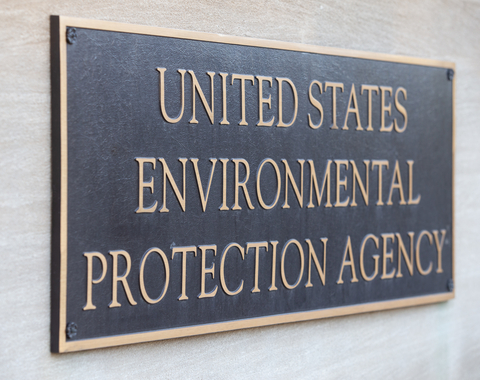
The U.S. Environmental Protection Agency (EPA) has announced plans to revise and roll back several provisions of the Toxic Substances Control Act (TSCA), sparking widespread debate among industry groups, policymakers, and environmental advocates.
What’s Changing?
The proposed changes focus on three key areas:
- Definition of Scientific Evidence – The EPA intends to alter the definition of the “weight of scientific evidence.” Critics argue this move could reduce the rigor of safety evaluations for new and existing chemicals.
- Chemical Review Timelines – To accelerate the review process for new chemicals, the agency is proposing streamlined procedures. While industry leaders welcome faster approvals, safety advocates warn this could come at the cost of thorough risk assessments.
- Worker Safety Assumptions – One of the most contentious proposals involves assuming that workers are always properly protected by personal protective equipment (PPE). Labor groups have voiced concern that this assumption may not reflect reality in many workplaces.
Why Now?
The revisions align with the Biden administration’s recent Executive Order to prioritize chemical reviews tied to critical industries, such as data center development and advanced manufacturing. The EPA says these changes are designed to support rapid technological growth and reduce regulatory bottlenecks.
Reactions from Stakeholders
- Industry Response: Many in the chemical sector view the changes as a positive step, arguing that the current TSCA framework often delays innovation and investment.
- Environmental Groups: Advocacy organizations such as the Environmental Defense Fund and NRDC are pushing back, warning that weakened safety standards could increase risks to human health and the environment.
- Labor & Worker Advocates: Union leaders and workplace safety experts are particularly concerned about the PPE assumption, pointing out that protective equipment is not universally available, properly maintained, or consistently enforced.
What Comes Next?
The EPA will hold a public comment period in the coming weeks, during which industry stakeholders, environmental advocates, and the general public can provide feedback. Depending on the responses, the agency may modify the proposals before finalizing them.
The outcome of this regulatory shift will have significant implications not just for the chemical industry, but also for consumer safety, workplace standards, and environmental protection.