
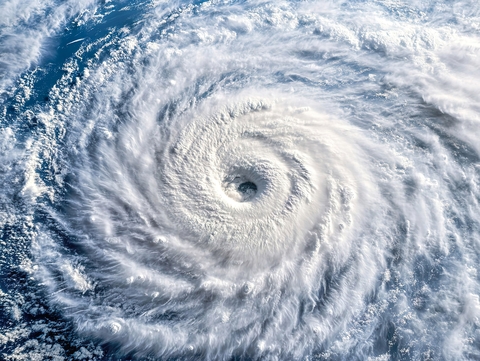
As much as we might wish otherwise, the 2025 hurricane season has arrived—and experts are forecasting one of the most active in recent years. According to Colorado State University’s latest projections, both the Atlantic and Pacific basins face an “above normal” season. And it’s not just coastal areas that should be on alert. Past storms have brought devastating winds, flooding, and infrastructure failures deep into the Midwest, New England, and Rocky Mountain regions—posing serious risks to businesses far beyond the shoreline.
For the chemical distribution industry, the stakes are especially high. Our operations involve regulated materials, sensitive storage conditions, and complex logistics networks. “Extreme weather events continue to become more frequent and severe each year,” Chemical Safety Board Chair, Steve Owens, said in a press release. “Facilities that produce, use, store or otherwise handle hazardous chemicals must take steps now to prepare for hurricanes and other extreme weather.” Even brief disruptions in transport routes, facility access, or power supply can result in compliance risks, environmental exposure, or downstream supply failures. With hurricane season officially upon us, now is the time to evaluate readiness, protect assets, and maintain the integrity of critical supply chains.
Assessing Physical and Environmental Risks
The first step in preparing for the season is reassessing facility location risks—particularly flood exposure. If your company has recently expanded, relocated warehouses, or added terminals, it’s critical to verify your updated risk classification using FEMA’s Flood Map Service Center. Don’t assume past assessments still apply; even small shifts in local development or drainage systems can elevate risk.
Flood risk also ties directly into insurance coverage. Many commercial property policies do not include flood protection, requiring a separate flood insurance policy—something that becomes urgent for facilities in high-risk zones. Keep in mind that these policies often require a 30-day waiting period before coverage begins, so acting early is crucial.
Protecting People and Processes
Employee safety must also remain a central component of hurricane planning. On-site teams should have clearly defined evacuation plans that include off-site shelter locations, communication protocols, and reunification plans with family members. Encourage all employees to prepare 72-hour emergency kits, including items for personal safety, medication, and pet care. During a storm event, the well-being of your personnel is not just a moral obligation—it directly impacts operational continuity and regulatory compliance.
From an operations standpoint, now is the time to invest in infrastructure improvements that can mitigate damage. For chemical facilities, this may include storm-rated doors and impact-resistant windows, backup generators to maintain temperature control and ventilation systems, and safeguards for hazardous material storage. Consider also equipping sites with chainsaws, water pumps, or other tools that may be needed post-storm—but ensure your teams are trained in their safe and proper use.
Securing Documentation and Compliance Records
Given the regulatory nature of chemical handling and distribution, safeguarding documentation is not just a best practice—it’s a compliance imperative. Ensure that SDS files, EPA and OSHA permits, incident logs, inspection records, and insurance policies are backed up both digitally (in secure cloud-based systems) and physically (in waterproof, accessible storage). If regulators or insurers request documentation following a storm event, your ability to respond quickly and accurately can significantly affect recovery time and liability exposure.
Fortifying the Supply Chain
Distributors also need to scrutinize their broader supply chain vulnerabilities. Storms can close ports, ground freight carriers, and disrupt rail service with little warning. To prepare:
- Pre-identify alternative suppliers and transport partners outside hurricane-prone areas.
- Increase buffer inventory of critical chemicals and packaging materials prior to peak storm months.
- Use real-time logistics platforms that integrate weather data and routing intelligence to proactively reroute shipments and avoid bottlenecks.
- Communicate regularly with key customers to set expectations and share contingency plans.
According to guidance from industry-focused insurers like Stephens Insurance and FM Global, firms that simulate storm scenarios with their teams and suppliers tend to recover faster and more safely. These tabletop exercises can help uncover overlooked vulnerabilities—from lack of diesel fuel for generators to insufficient remote access to control systems.
Preparing for More Than Just Compliance
While the chemical distribution industry is no stranger to strict standards, hurricanes demand a different kind of readiness—one that combines regulatory compliance, operational continuity, and human safety. Ignoring the risks or waiting until a storm is imminent leaves little time to act. By preparing now, companies don’t just meet minimum requirements—they reinforce their resilience, protect their people, and secure their role in critical supply networks.
Hurricane season isn’t just a coastal concern anymore, and it’s not something to face passively. In 2025, readiness is not only a strategic advantage—it’s a responsibility to your teams, your customers, and your community.